

Home renovations continue to be a major investment for homeowners. According to industry reports, Americans spend hundreds of billions of dollars annually on remodeling and home improvement projects, with kitchen renovations, bathroom updates and outdoor living spaces remaining as some of the most popular upgrades.
In markets like Madison and throughout Dane County, thoughtful renovations can absolutely improve both daily living and long-term property value. However, not every project delivers the same return on investment. Before beginning a renovation, it is important to evaluate the financial impact, create a realistic plan and understand potential hidden issues that could affect both budget and timeline.
A successful renovation is not just about making a home look better, it is about making smart decisions that improve functionality, protect value and align with long-term goals.
How to Ensure Your Renovation Adds Resale Value
One of the biggest mistakes homeowners make is renovating purely for personal taste without considering future buyers.
While it is important to enjoy your home, overly customized renovations can sometimes hurt resale value. Highly specific design choices, unusual layouts, bold colors, or removing functional spaces may limit buyer appeal later on.
In general, renovations that tend to add the most value include:
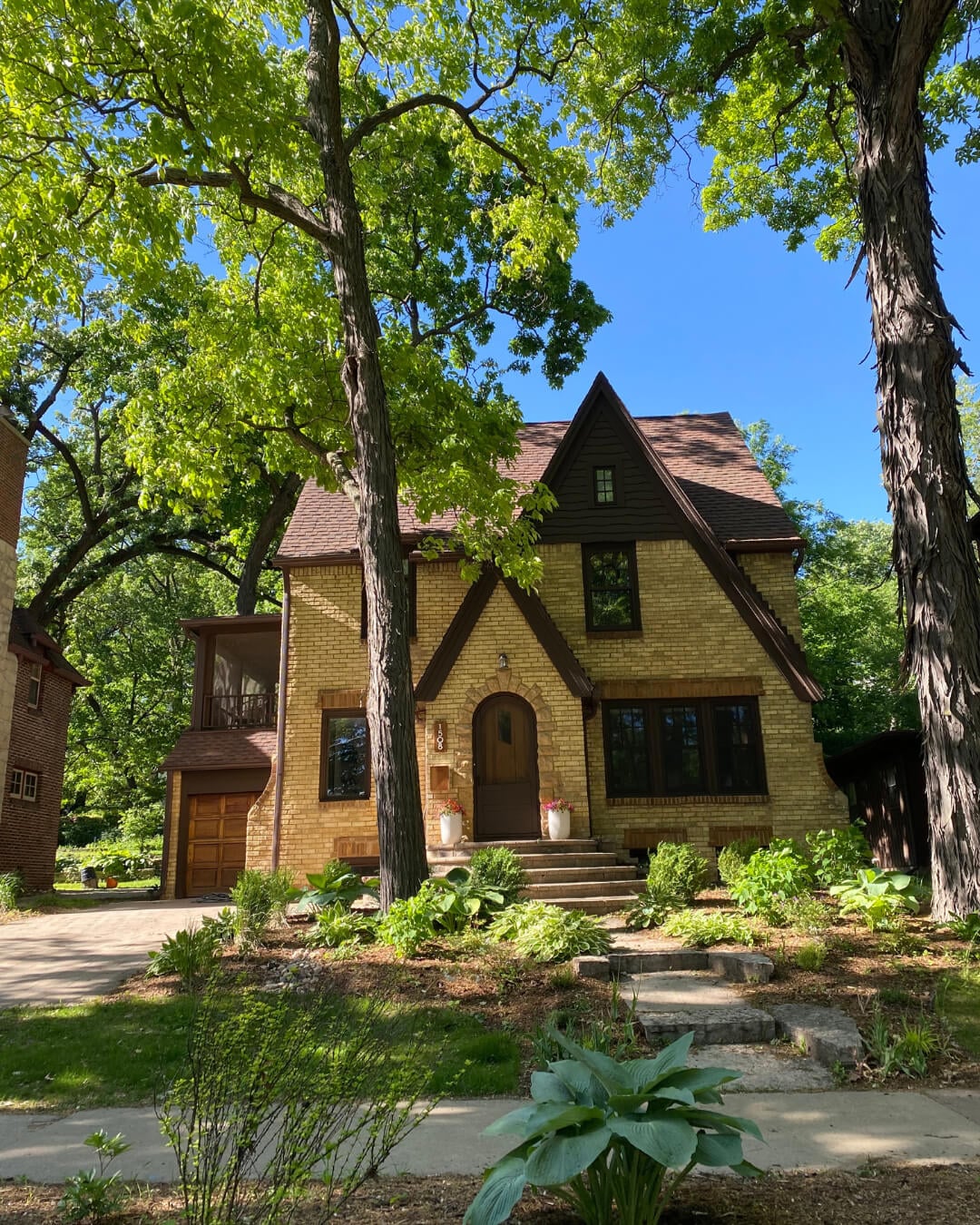
- Garage door & front door
- Kitchen updates
- Bathroom remodels
- New flooring
- Energy-efficient windows
- Exterior improvements and curb appeal
- Functional outdoor spaces
- Updated lighting and paint
Buyers consistently value clean, bright, functional spaces that feel timeless rather than trendy.
On the other hand, some renovations may not provide strong returns. Examples can include converting bedrooms into oversized closets, removing storage space, installing highly personalized luxury features, or using extremely bold finishes that may not appeal to the average buyer.
Before starting a project, homeowners should ask:
- Will this improve functionality?
- Will this appeal to future buyers?
- Is this appropriate for the price point and neighborhood?
The best renovations often balance personal enjoyment with long-term marketability.
Create a Detailed Renovation Plan and Budget
A renovation without a clear plan can quickly become stressful and expensive.
Before demolition begins, homeowners should establish a detailed scope of work, timeline, contractor expectations, and realistic budget. One of the smartest things homeowners can do is include a contingency budget, typically 10–20% beyond the expected project cost.
Unexpected issues are common, especially in older homes. Once walls are opened, contractors may discover outdated plumbing, electrical problems, water damage, insulation deficiencies, or structural concerns that were not visible initially.
This is why pre-renovation inspections can be extremely valuable.
Having a contractor, inspector, or specialist evaluate the home before work begins can help identify:
- Foundation concerns
- Roof or structural issues
- Aging plumbing or electrical systems
- HVAC inefficiencies
- Moisture or drainage problems
Addressing these issues early can prevent delays, budget overruns, and major headaches later in the project.
Planning ahead also helps homeowners make better decisions during the renovation itself. Rushed choices often lead to overspending or inconsistent design decisions that do not fully align with the home or neighborhood.
The most successful renovations are usually the result of careful preparation, realistic budgeting, and a clear understanding of both current needs and future value.
Check out this article next