


You may have heard people describe Madison as a "climate haven." It is not just a catchy label. It means people are starting to look at where you live through a different lens, one that weighs long-term climate risk alongside everything else that makes a place worth calling home.
Climate is not the only thing shaping where people choose to live, but it is increasingly part of the conversation. As more buyers factor long-term risk into a move, it is worth understanding why Madison keeps landing on these lists, and what it might actually mean for the local housing market.
Why Madison Is Considered a Climate Haven
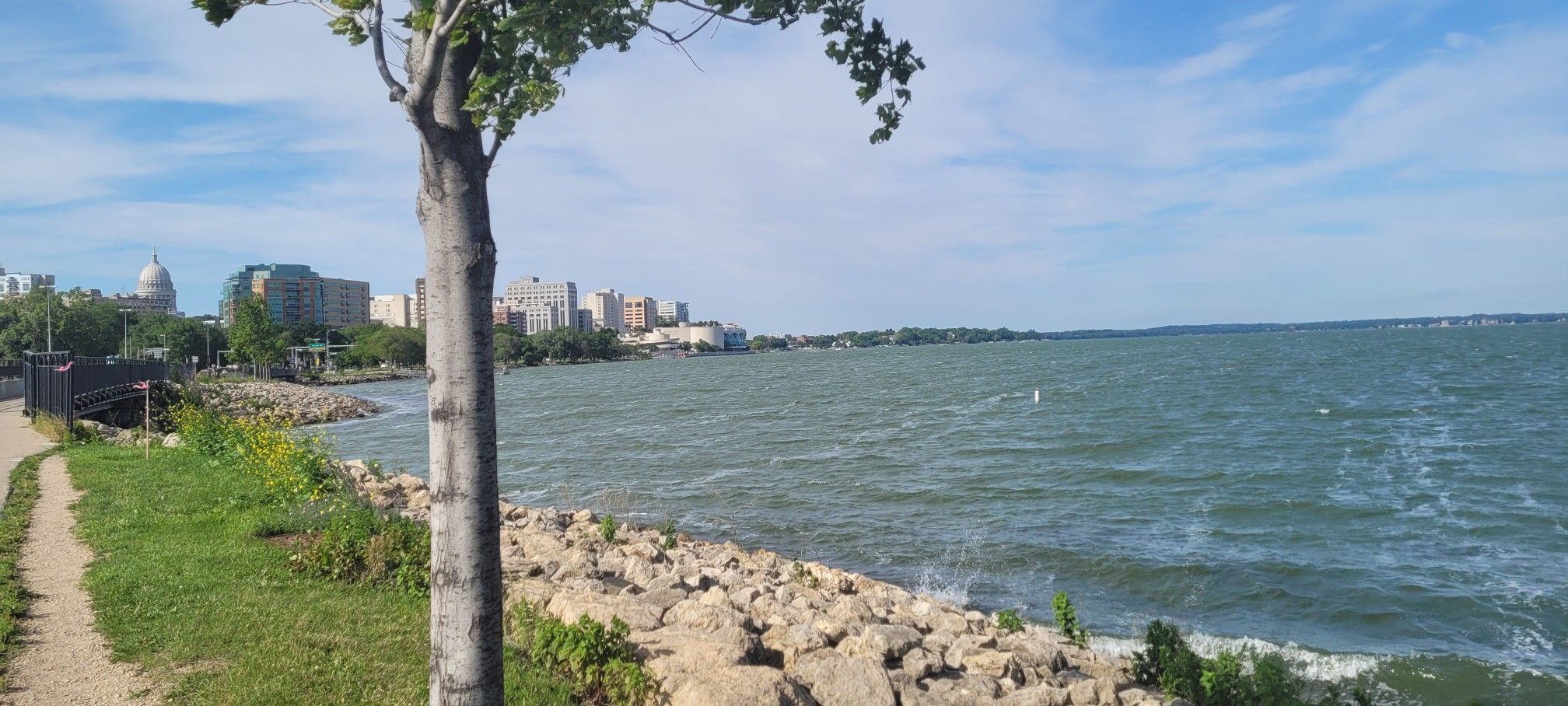
Madison sits inland, surrounded by freshwater lakes, with none of the hurricane risk, sea-level rise, or large-scale wildfire exposure that has become a growing concern in many coastal and western markets.
That geography alone puts Madison on the radar for people thinking further ahead about where they want to plant roots. Access to abundant freshwater and a stable inland climate are qualities that are hard to find in a lot of other fast-growing regions right now.
Geography is only part of the story, though. Madison also offers real quality of life, from a strong local economy to easy access to lakes, trails, and outdoor recreation, which gives people practical, everyday reasons to want to live here, not just a favorable climate outlook.
How Does Living in a Climate Haven Influence the Housing Market
If more people continue to view Madison as a safer long-term bet, that interest could contribute to steady housing demand over time, adding another layer to an already competitive market.
That said, climate is just one factor among many. Local market trends will keep being shaped primarily by migration patterns, job growth, housing supply, and affordability, the same fundamentals that have always driven Wisconsin real estate and the broader Midwest housing market.
Climate haven status is a meaningful piece of Madison's story, but it is not the whole picture. If you are watching real estate trends here or anywhere in the Midwest, it is worth keeping an eye on climate migration alongside the market fundamentals that matter just as much.
Check out this article next