

The traditional idea of a family home is changing. More families are choosing to live under the same roof, whether that means parents moving in with their adult children, grandparents living with the family, or adult children staying home a little longer.
Multigenerational living has become much more common over the past several decades. In 1970, about 13% of Americans lived in a multigenerational household. By 2024, that number had grown to 22%.
There are plenty of reasons behind the trend. For some families, sharing a home can help with the cost of living. For others, it makes it easier to care for an aging parent, help with childcare, or give adult children a little more support while they work toward living on their own.
Whatever the reason, it's changing the way people think about buying a home. When several generations are going to share a space, the number of bedrooms isn't the only thing that matters. The layout, privacy, and flexibility of the home become just as important.
What Are Multigenerational Homebuyers Looking For?
There isn't one type of home that works for every multigenerational family. Some buyers may find that a single-family home has everything they need, while others may want to consider a duplex, multifamily property, or a home with an accessory dwelling unit (ADU) or in-law suite.
For a traditional single-family home, having enough bedrooms and bathrooms is a good place to start. But there are a few other features that can make a big difference.
First-floor bedrooms can be helpful for older family members who may not want to use stairs every day. A finished basement or extra living room can give family members another place to relax when they want some space. Separate entrances can also provide a little more independence while everyone is still living under the same roof.
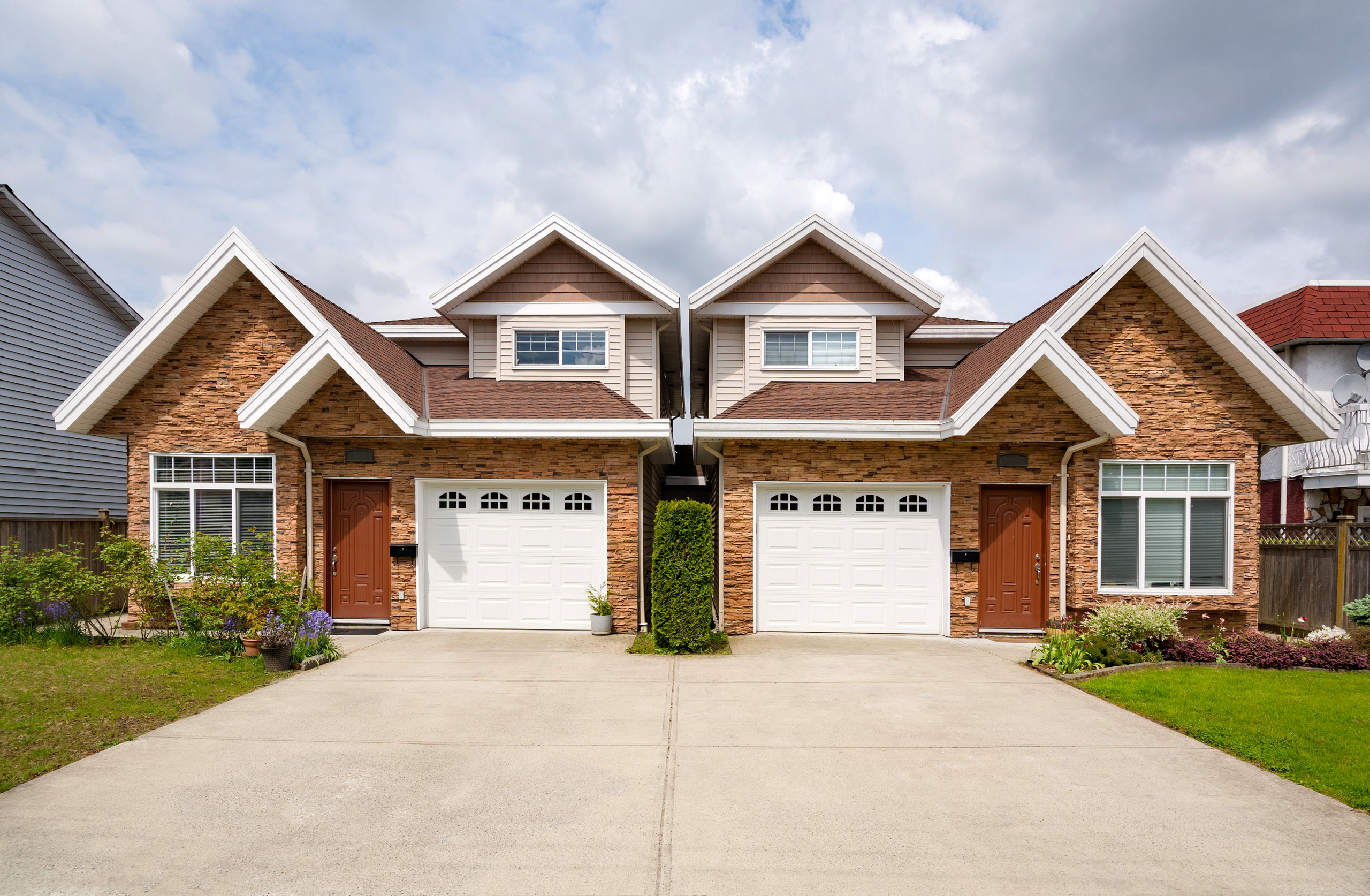
For some families, a duplex or multifamily property may make more sense. Having separate kitchens, living areas, and entrances gives each household more privacy while keeping family members close by.
ADUs and in-law suites are another option. These separate spaces can give aging parents or adult children their own area while still keeping them close to the rest of the family.
At the end of the day, it's about finding the right balance. Families want spaces where they can spend time together, but they also need places where everyone can have some privacy.
It's also worth thinking about what your family might need down the road. Maybe a home works perfectly for your family today, but what happens when the kids get older? Or when a parent needs a more accessible living space?
For buyers considering multigenerational living, those future questions can be just as important as the ones about bedrooms, bathrooms, and square footage.
A home doesn't have to look completely different to work for multiple generations. Sometimes, the right layout and a little flexibility are all it takes to make a home work for the whole family.
Check out this article next